
Discover the world through language, culture, history, and ideas at the University of Bonn. The fields of Humanities, Linguistics, Cultural Studies, and Theology encourage students to think critically, explore diverse perspectives, and engage with the cultural and ethical questions shaping our society today. With an international and interdisciplinary approach, students gain valuable communication and analytical […]
News
Exhibition: Liquid Archive by Jasmine Togo-Brisby (17.06.-06.09.2026)
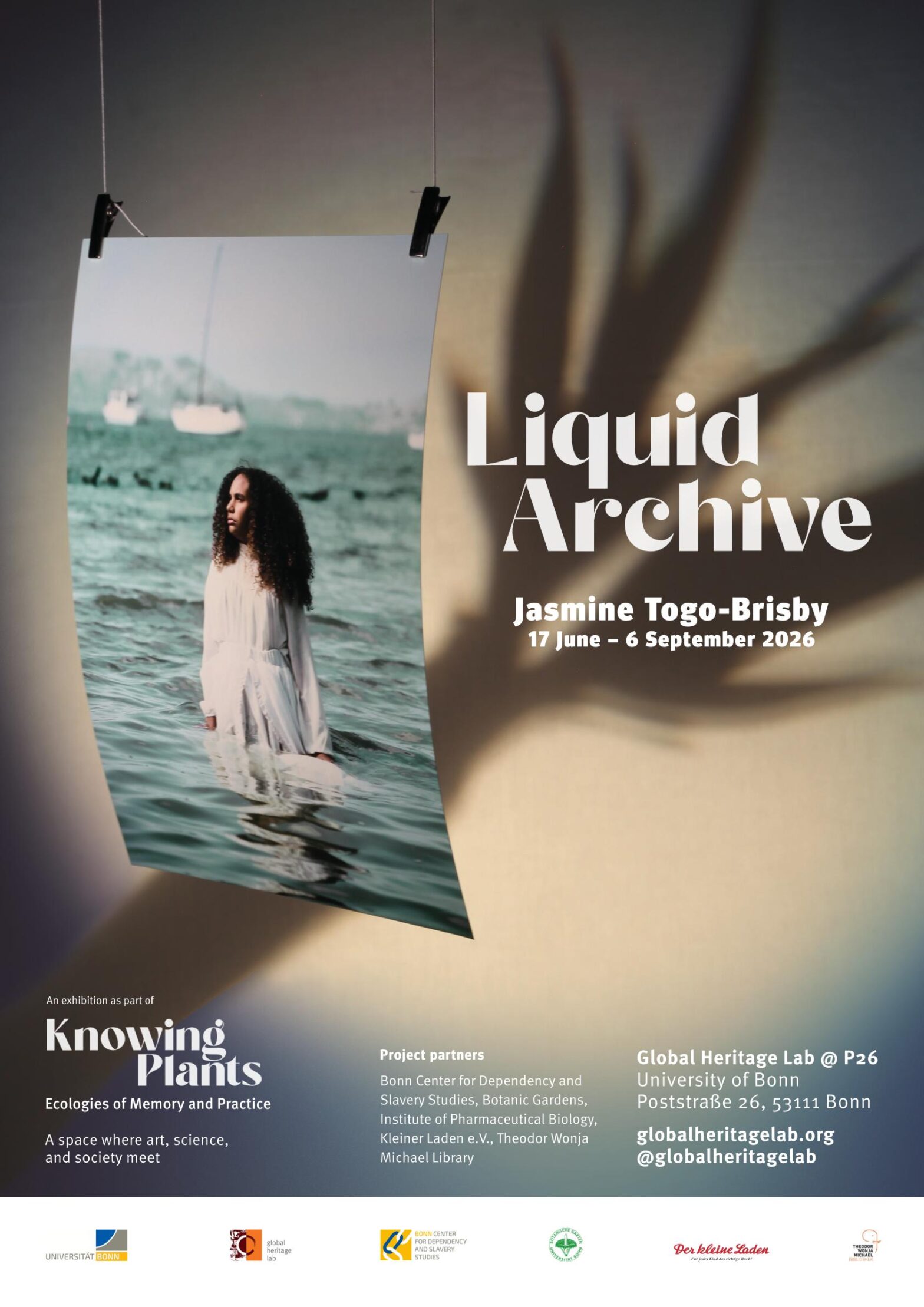
The exhibition explores the ongoing legacy of a destructive form of Knowing Plants: the plantation system, which relied on the exploitation of plants, people, and ecosystems.
Call for Participation: Autumn School: The Democratization of Heritage
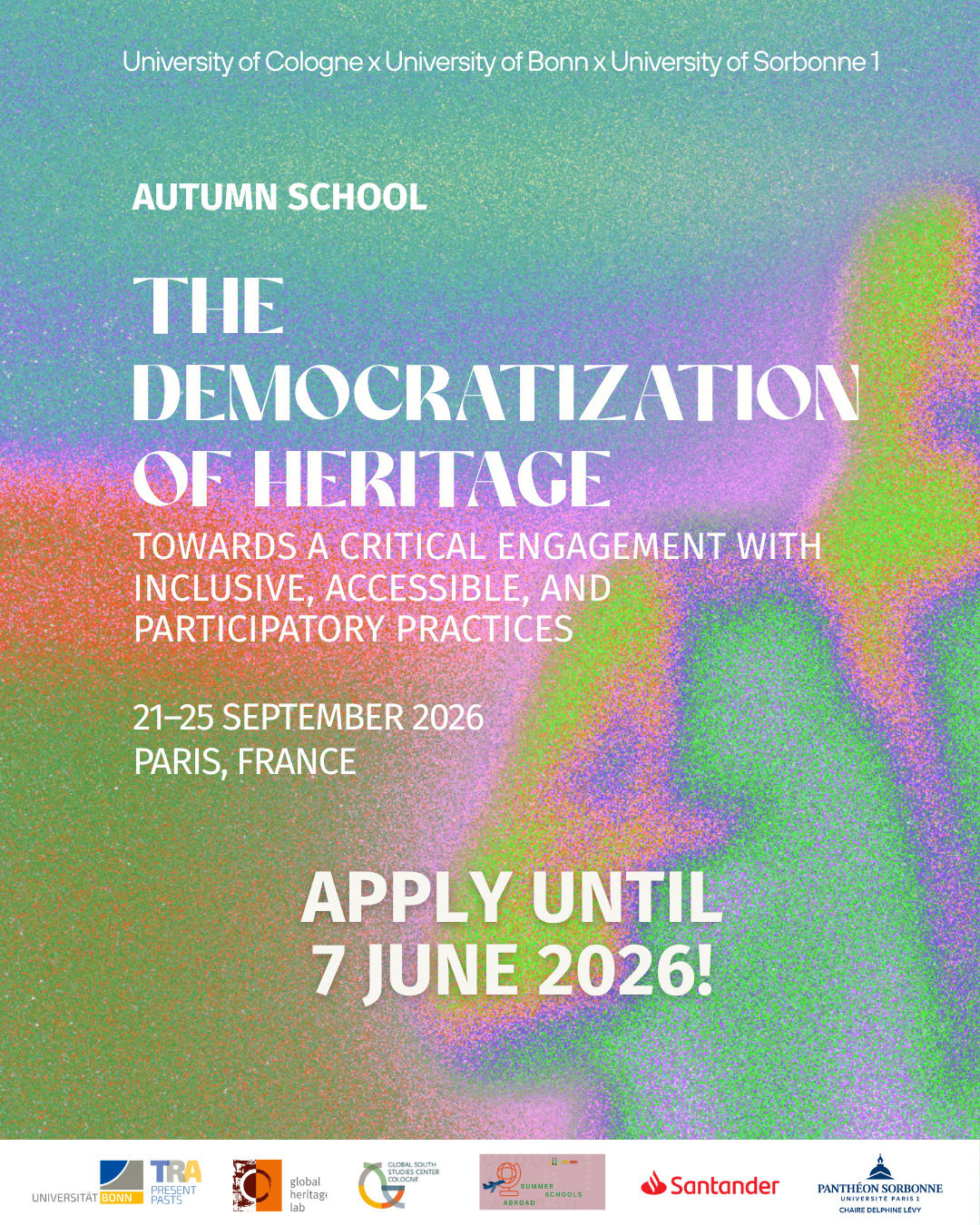
The Autumn School on The Democratization of Heritage: Towards a Critical Engagement with Inclusive, Accessible, and Participatory Practices takes place from 21-25 September 2026 in Paris (France). Application Deadline: 07 June 2026. This Autumn School explores how museums and heritage institutions can translate the principles of accessibility, inclusivity, and participation— central to the 2022 ICOM […]
Julia Binter joins the Konstfack Research Seminar “transfer/translate/reconstruct: methods of exploring museum collections”
Julia Binter joins the Konstfack Research Seminar transfer/translate/reconstruct: methods of exploring museum collections to present the collaborative, transdisciplinary research and exhibition project Dressing Resistance: Fashion and the Heritage of Mission. The seminar will take place at Konstfack in Stockholm and online on Friday, 8 May 2026, from 13:00 to 15:00 For online attendance click the […]
New publication out now! Julia Binter on Storytelling and Overlooked Histories in Port Cities
In their article “Port Cities Storytelling: Drawing on Materials of Neglect,” Jun.-Prof. Dr Julia Binter and her colleagues, Yvonne Liao, Olivia Durand, and Helena Lopes, explore how overlooked materials and marginal spaces can reshape our understanding of port cities and their histories. Focusing on storytelling as a method, the authors show how neglected objects, fragmented […]
Research Fellow Tobias Skowronek Challenges Myths About West African Gold Trade
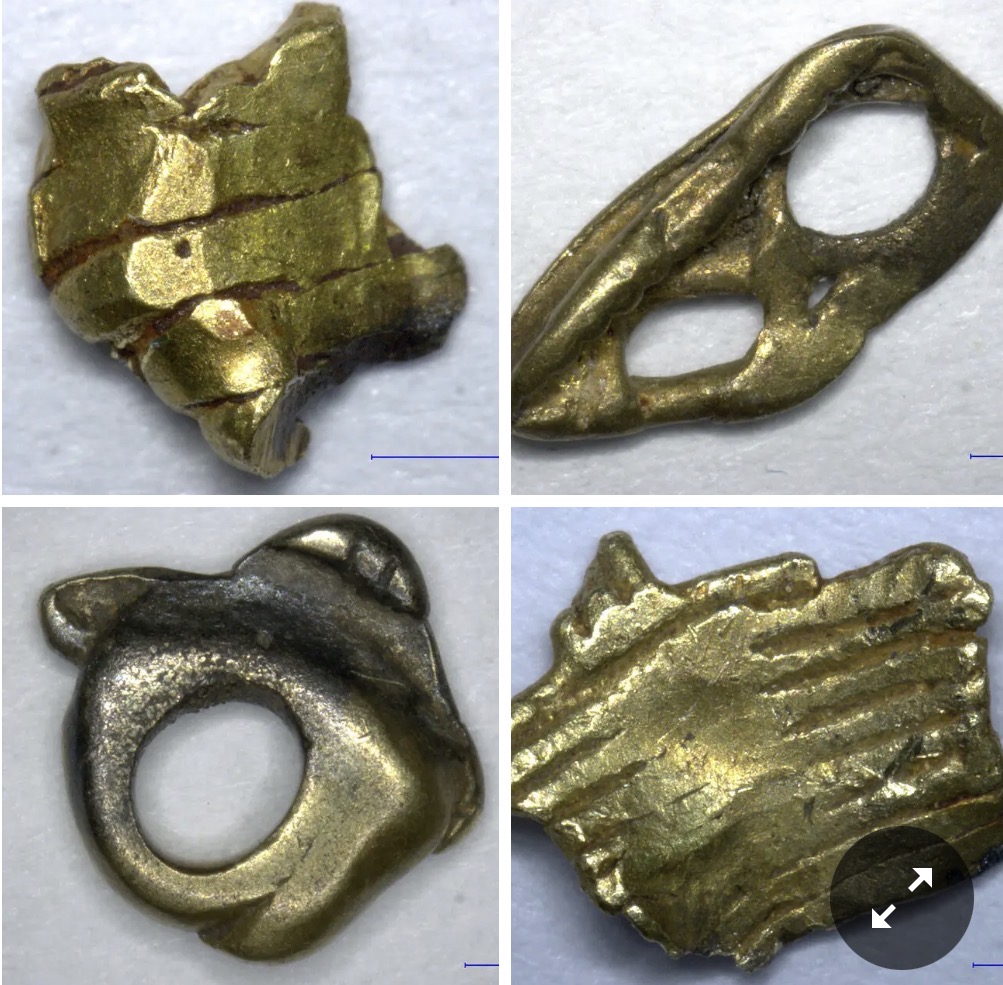
A recent The New York Times article highlights how modern science is reshaping long-held historical assumptions about West African gold trade. For centuries, European traders believed that merchants along Africa’s so-called “Gold Coast” diluted gold with cheaper metals. But new research led by Tobias Skowronek challenges that claim. By analyzing gold artifacts recovered from the […]
Working Group Meeting of Justitia et Pax at the Global Heritage Lab
13.04.2026 How does the Catholic Church engage with the legacy of colonialism? This question was at the center of a meeting of the working group “Dealing with the Consequences of Colonialism” of Justitia et Pax at the Global Heritage Lab of the University of Bonn. In the context of increasing global interconnectedness, the historical burdens […]
Lecture Series: “Was uns prägt: Identité(s) en mutation” (27.04.2026)
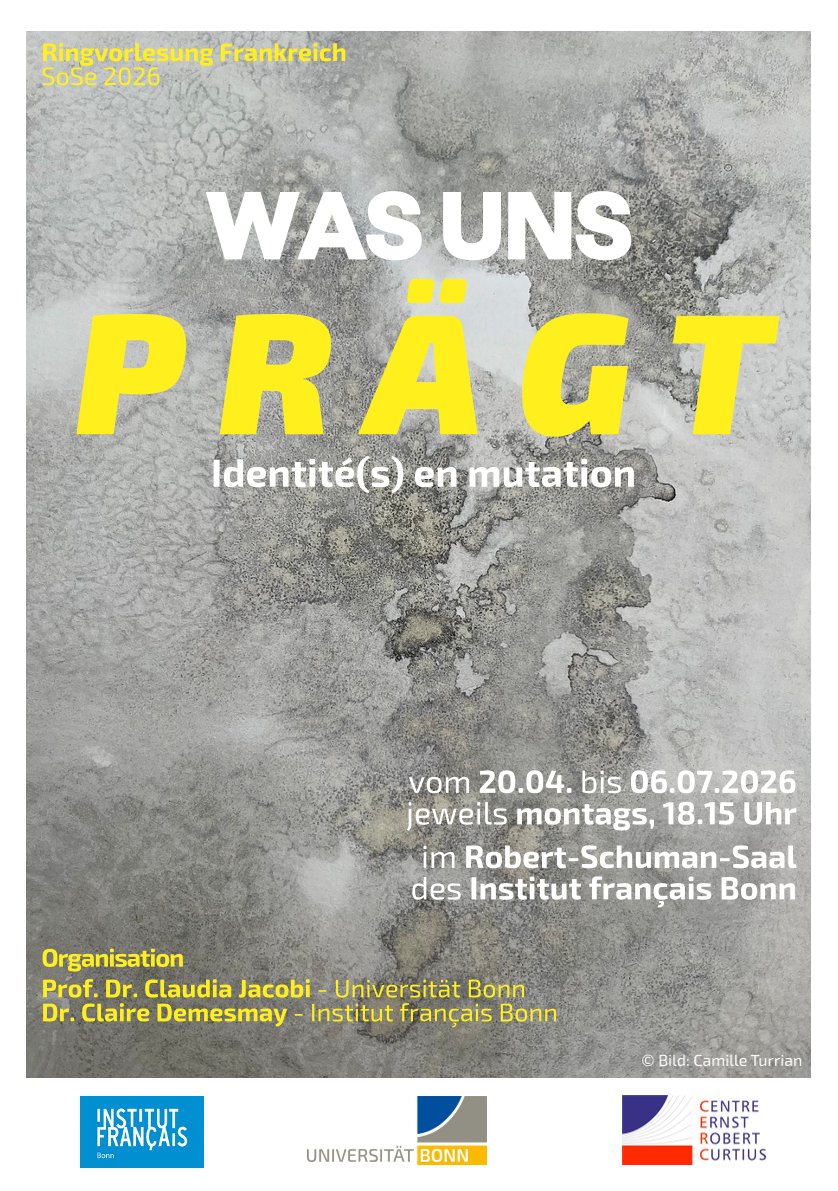
As part of the interdisciplinary lecture series “Was uns prägt: Identité(s) en mutation”, organized by the Institut français Bonn in collaboration with the University of Bonn, Julia Binter (Global Heritage Lab) will give a public lecture on 27th of April 2026 at 18:15 in Bonn. The lecture series explores how identities are shaped by family, […]
Happy News: Global Heritage Lab joins the TheMuseumsLab Network
We are delighted to announce that the Global Heritage Lab is now part of TheMuseumsLab Partner Museums Network! This partnership connects us with a vibrant international network committed to rethinking museum practices and fostering critical dialogue, collaboration, and knowledge exchange across Africa and Europe. The network now has 66 members across 8 African and 11 […]
New Publication by Associate Researcher Dr. Tobias Skowronek on Akan gold and West African trade
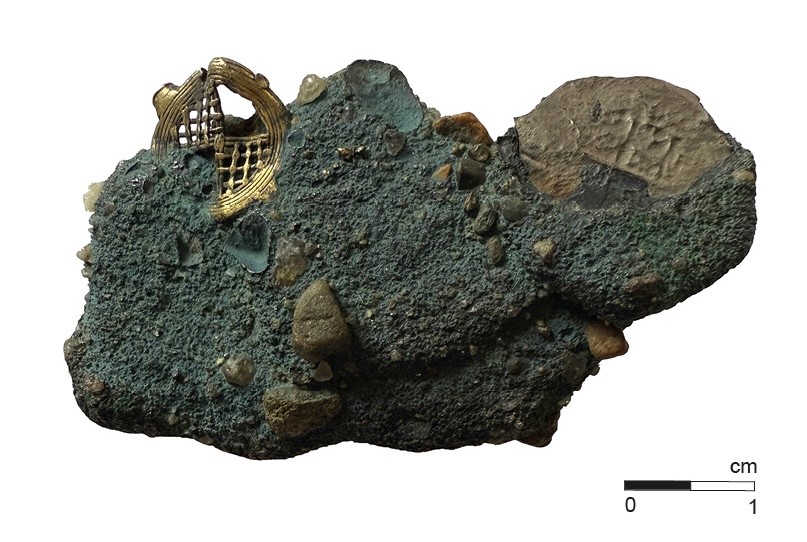
We are pleased to share that our fellow Dr. Tobias Skowronek has published a new article titled “Pirate Gold Provides New Insights into West African Trade Using pXRF and SEM-EDS Analysis.” The study offers fascinating new perspectives on historical trade networks in West Africa, combining innovative analytical techniques with interdisciplinary research.