
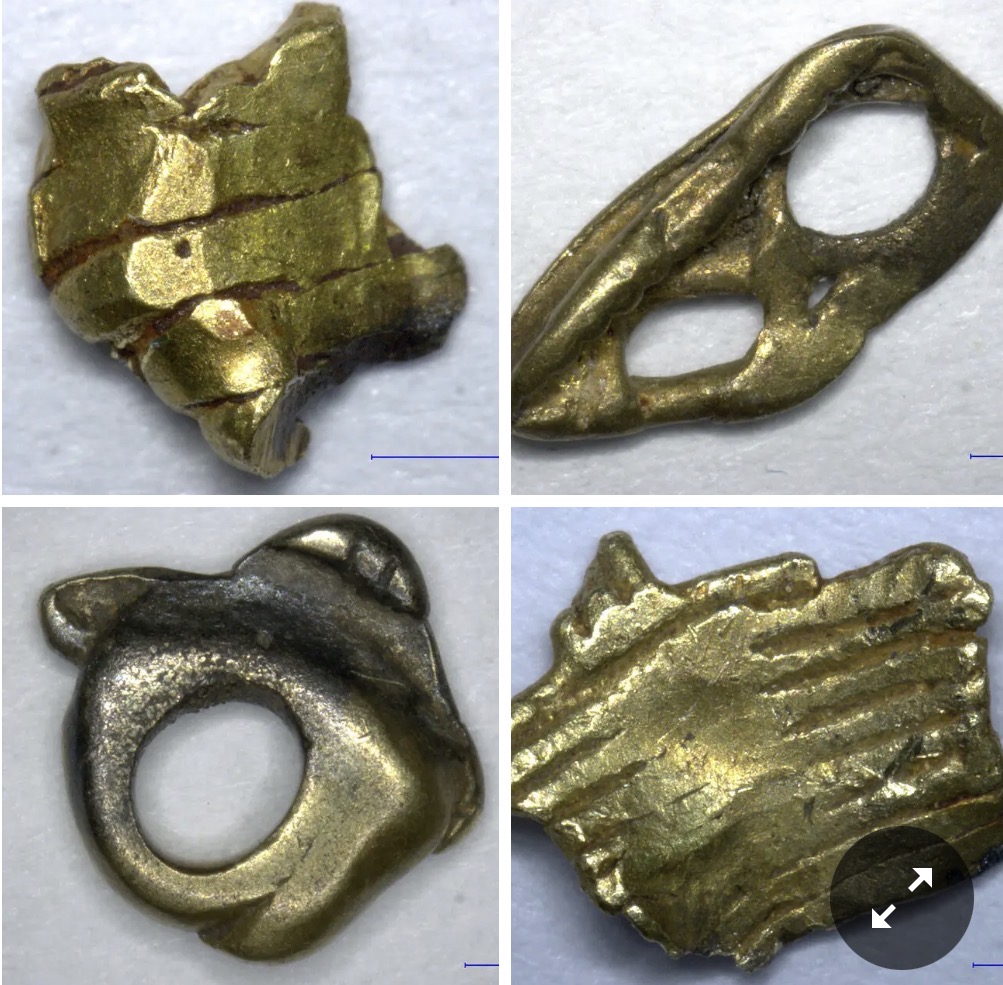
A recent The New York Times article highlights how modern science is reshaping long-held historical assumptions about West African gold trade.
For centuries, European traders believed that merchants along Africa’s so-called “Gold Coast” diluted gold with cheaper metals. But new research led by Tobias Skowronek challenges that claim. By analyzing gold artifacts recovered from the pirate ship Whydah Gally (1717), scientists found that while the gold was not always pure, its composition closely matches naturally occurring gold ore from the region.
In other words, what Europeans interpreted as fraud was likely just a misunderstanding of natural metallurgy. The study suggests that West African traders were not deliberately deceiving buyers — overturning a long-standing colonial narrative.
The findings are a reminder that scientific methods can correct historical bias and offer a more accurate view of global trade in the past.
https://www.nytimes.com/2026/04/14/science/pirates-gold-africa.html